

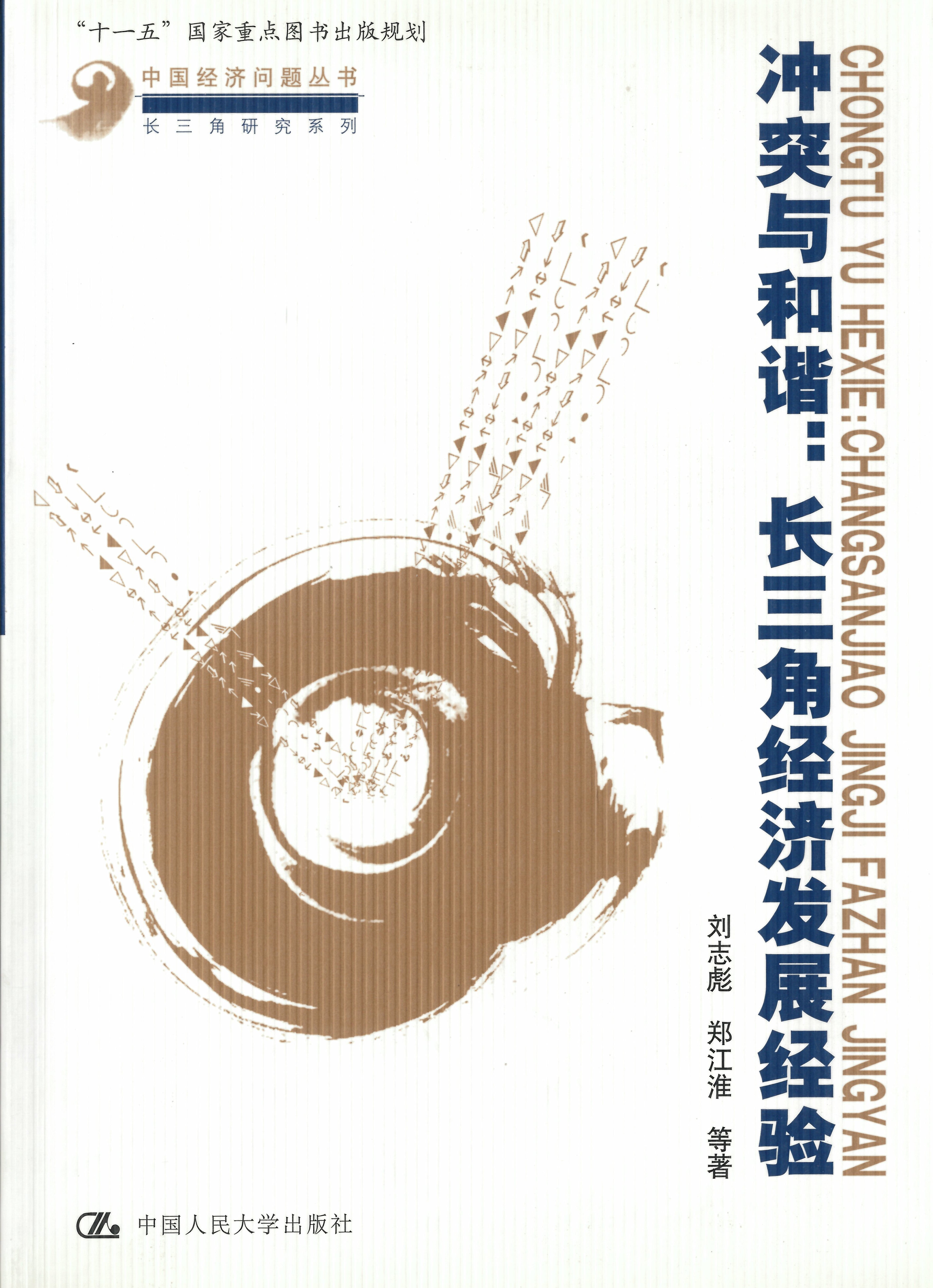
As it is the region with the most robust comprehensive economic and social strength in China, the Yangtze River Delta has grown quickly in terms of both the level and degree of internationalization, industrialization, marketization, urbanization, and informatization. However, the benefits-balanced mechanism that is crucial in market economy development in this region has not been established in a real sense, which will definitely trigger a variety of social contradictions and conflicts of interest.
It is a significant, landmark, and demonstrative systematic project to establish first a pattern of harmonious social development in the Yangtze River Delta. The fundamental definition of constructing a harmonious society in the future modernization construction of the Yangtze River Delta is to create a generally balanced pattern of interests. The core to benefit balance is to construct a benefits-balanced mechanism. Three guarantees are required to achieve the goal, namely, transforming domestic government functions, modifying government distribution and redistribution policy and establishing a benefits-balanced mechanism in the market. From this view, the book examines a number of conflict and harmony cases, which are of the typical practical significance and theoretical analysis value in the economic and social development in the Yangtze River Delta, and concludes the experience, lessons and features of the growth of the Yangtze River Delta regarding the development mode, driving forces of development and welfare alterations.
The book does not cling rigidly to full concepts, methods, and the theoretical system, but rather focuses on investigating special phenomena and development patterns in the economic development of the Yangtze River Delta, and draws relevant conclusions for policy consultation through theoretical and empirical tests.
The book is of reference value to the research units, government sectors, and related industry personnel who research modern economic development and operation, and are interested in examining the development issues of the Yangtze River Delta. It can also be utilized as a model for analyzing practical economic issues and studying economic cases by the students of economic management.

